QR Codes for Asset Tracking
Every asset labeled. Every status visible in a scan.
An asset register is only accurate on the day someone actually updates it, and in most organizations that day was a while ago. A QR code label doesn't replace the register; it puts a direct link to it on the physical thing itself, so anyone standing in front of a piece of equipment sees its actual current status instead of trusting whatever a spreadsheet said last quarter.
The useful thing about a QR code asset label is how little it asks you to change. It doesn't require new software, a fleet of barcode scanners, or a migration off whatever you already use to track equipment; it's a physical link to a URL you control, whether that's a row in a Google Sheet, an entry in a Notion database, or a record in a proper CMMS. A technician standing in front of a piece of equipment scans the label and sees its last service date, current location, and next scheduled maintenance on their own phone, without needing to be logged into a desktop system or even know which system the record lives in.

needed, any phone camera scans the asset label
No app
No app
needed, any phone camera scans the asset label
Live
timestamped scan log, a free audit trail for compliance
Pro+
plan tier where CSV bulk import creates up to 500 asset labels at once
0
reprints needed when an asset's status or location changes
Tactical Deployments
QR codes in asset management
These are the highest-converting physical touchpoints for asset tracking. Each is a separate dynamic QR code: fully trackable, updatable, and branded.
Server rack: scan for hardware specs and the maintenance log, without needing to know which internal system holds that record.
A company vehicle scan surfaces service history and the MOT due date, useful to whoever's actually standing at the vehicle, not just whoever manages the fleet spreadsheet.
IT equipment: scan for the assigned user and warranty expiry, answering 'whose laptop is this' without an email thread.
Scanning a fire extinguisher for the last inspection date turns a compliance walk-round into something anyone can verify on the spot.
Construction tool: scan to check in or out of the equipment store, with no terminal required at the store window.
Asset Tracking Live Telemetry
Real-time scan logs
Implementation Blueprint
How to deploy QR codes for asset tracking
From initial vector export to live table tents and receipt footers in under 5 minutes.
Create one QR code per asset, named for how you'll search for it
Use the asset ID as the custom slug so the code is identifiable at a glance in your dashboard, not just a random string that means nothing out of context.
Point it at your actual system of record
A Google Sheet, a Notion page, or a CMMS record: whatever you already use is fine. ScanOrbit only needs a URL; it doesn't ask you to move your data anywhere.
Print for the environment the asset actually lives in
Laminated or weatherproof label stock for anything outdoor or industrial; a label that degrades in six months creates exactly the tracking gap you were trying to close.
Make scanning the default, not the backup
Train staff to scan and confirm rather than type an asset ID from memory; it's faster, and it removes the transcription errors that quietly corrupt a register over time.
Tailored Formats
Recommended QR formats for asset tracking
Each physical touchpoint demands a specific QR type. These formats deliver the highest scan conversion.
URL QR Code
Link to asset records in Google Sheets, Notion, or your CMMS
Plain Text QR Code
Encode asset ID and serial number for offline environments
PDF QR Code
Link to equipment manuals and maintenance procedure documents
Industry FAQ
Common questions for Asset Tracking
Direct answers regarding printing dimensions, scan durability, redirect management, and analytics for asset tracking.
Have a custom rollout question?
Our engineering team is ready to help
Need help scaling across multiple store locations, hotel properties, or commercial packaging lines?
The code image itself is durable, but the label material matters more than the code. For outdoor, industrial, or harsh environments, print on UV-resistant, laminated, or metallic polyester label stock, available from most specialist label printers.
Cross-Sector Solutions
Explore more industry blueprints
See how other sectors eliminate reprint costs and track physical engagement.
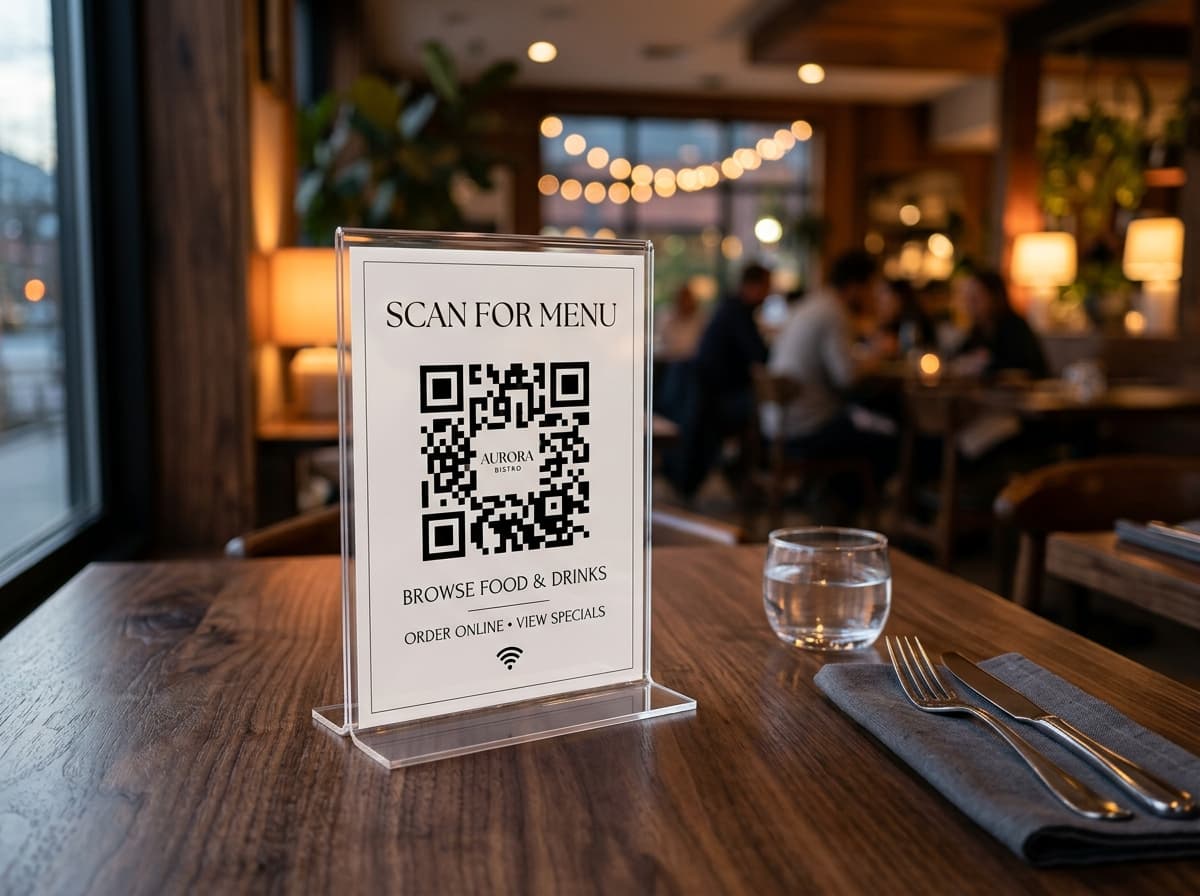
Restaurants & Cafés
Turn paper menus into instant digital experiences.
Contactless menus, WiFi codes, loyalty campaigns, and review links, all with a single scan.
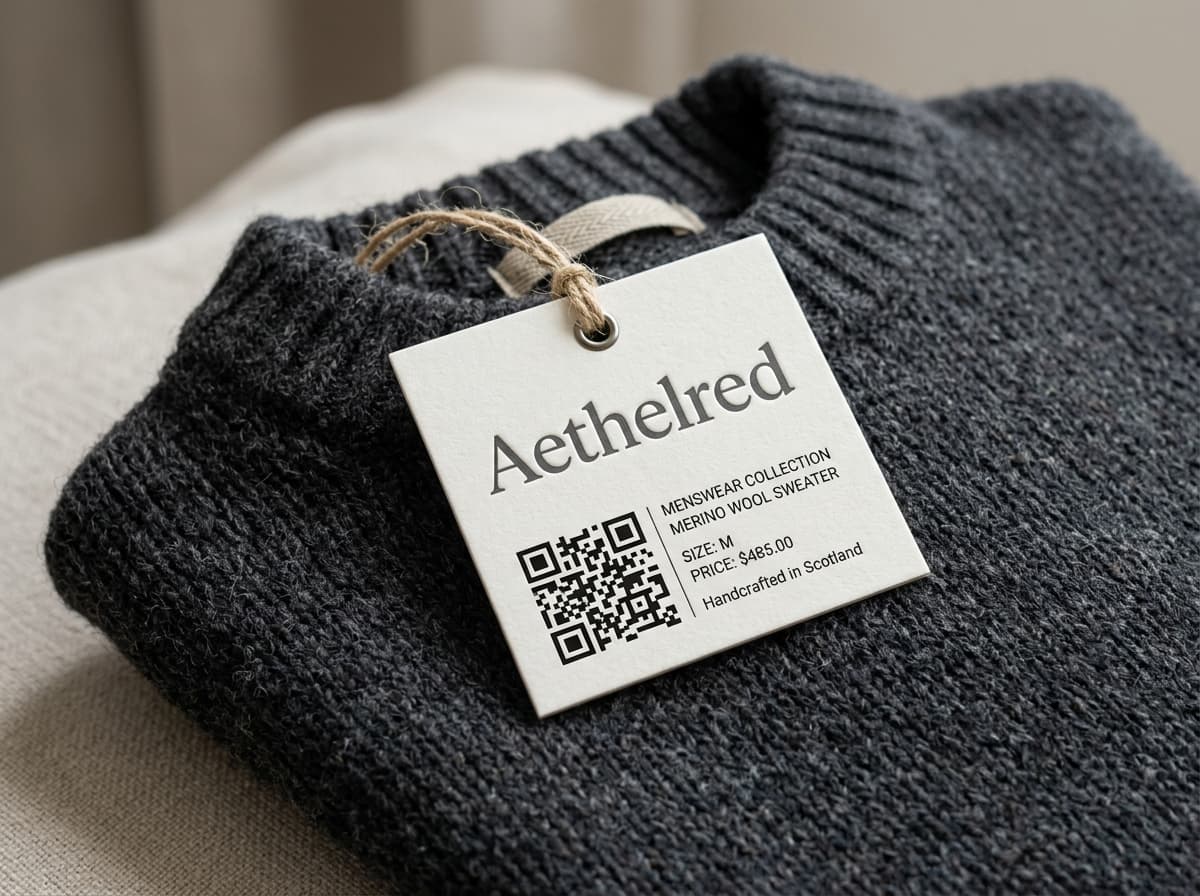
Retail & eCommerce
Bridge the gap between physical and digital.
Product pages, discount codes, loyalty programmes, and stock alerts triggered from shelf labels.

Events & Conferences
Streamline every touchpoint of your event.
Digital programmes, speaker bios, feedback forms, and sponsor activations, all without printing.
Related Guides & Knowledge Base
Master print optimization, real-time analytics telemetry, and campaign design best practices.
 Design4 min read
8 QR Code Design Mistakes That Hurt Scan Rates
Avoid contrast errors, margin clipping, and improper error correction before high-volume commercial print runs.
 Analytics6 min read
What Your QR Code Analytics Are Actually Telling You
Decode scan telemetry: turn city geolocations, device breakdowns, and time curves into actionable campaign ROI.
 Guides5 min read
Dynamic vs Static QR Codes: Which One Do You Need?
Understand the core architecture: offline raw encoding vs cloud redirection with instant destination updating.
Help Center & Implementation Documentation
What is a QR Code?
Matrix symbology, Reed-Solomon error correction, and optical scanner mechanics.
How to Customize Your QR Code
Palette selection, custom logo insertion, frame badges, and vector export formats.
Choosing Error Correction Levels
Level L (7%) to Level H (30%): picking the right density for print durability.
Deploy Asset Tracking QR codes in under a minute
Three dynamic codes free forever. Edit destination links anytime after printing, export print-ready vectors, and track scan telemetry with zero surprise trial deactivations.
No credit card required · Instant setup in under 30 seconds
Point your phone camera to scan
Tests dynamic URL redirect and instant destination routing